Busy season is when your crews, phones, and inbox all light up at once. If your contractor website hosting cannot keep up, you lose leads before anyone ever talks to your office. A slow or crashed site during your peak months is like locking the doors on your own shop right when people are lined up outside.
In this article, we will walk through what makes hosting ready for real contractor traffic, how busy season pushes weak plans past their limits, and what to look for if you are tired of babysitting your site. Our team at BK Design Solutions works with trades and service businesses, so we see what actually keeps sites online when the weather, phones, and Google Ads all hit at the same time.
Keep Your Website Online When the Phones Will Not Stop Ringing
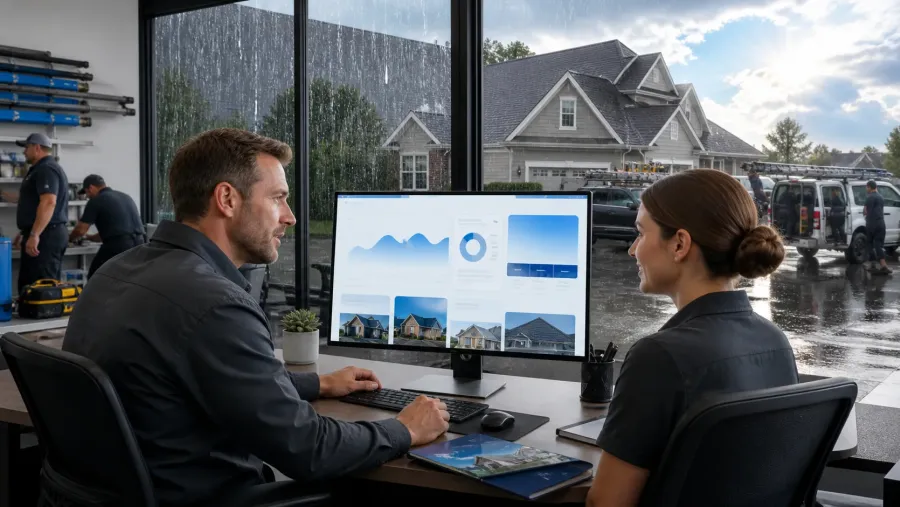
Summer hits, storms roll through, AC units quit, basements flood, and everyone wants help right now. For many contractors, those weeks around late summer are packed with estimates, emergency calls, and last-minute bookings. Your office is juggling calls, texts, and emails, while your crews try to keep up.
If your website slows to a crawl or crashes during that rush, people do not wait. They back out, tap the next contractor in the search results, and your lead is gone. Repeat customers who cannot get your quote form to load may think you are too busy or not organized.
Good contractor website hosting is like a solid truck or a trusted tool. You might not think about it every day, but when it fails at the wrong time, everything stops. We want to help you choose hosting that handles your real busy season, not just the quiet weeks.
Why Contractor Traffic Spikes Break Weak Hosting
Contractor traffic rarely stays steady. Many trades see:
- Slow, quiet winters with a few emergency jobs
- Spring and summer that keep you booked out for weeks
- Sudden surges after heavy rain, heat waves, freezes, or storms
On top of that, you might turn on a new Google Ads campaign, bump your budget, or run a seasonal promo. That can send a flood of new visitors in a single afternoon.
Cheap, basic shared hosting often cracks under that kind of pressure. Signs that your hosting is struggling include:
- Pages that take several seconds to load
- “Service unavailable” or timeout errors
- Quote or contact forms hanging, not submitting, or losing data
- Online booking tools freezing right when people are trying to reserve a time
The real cost is not just a tech problem. It is:
- Fewer calls and fewer estimates
- Wasted ad spend when paid clicks lead to a broken page
- Lost referrals when people think you are slammed or not professional
Contractor website hosting needs to be planned around those seasonal spikes, not some “average” traffic chart that does not match real life in the trades.
Core Hosting Features That Keep Contractors Online Under Pressure
Solid hosting for contractors starts with speed and stability. When we set up WordPress or Shopify for service businesses, we pay close attention to the details that keep things fast even when traffic climbs.
Key performance pieces include:
- SSD or NVMe storage so your site reads and writes data quickly
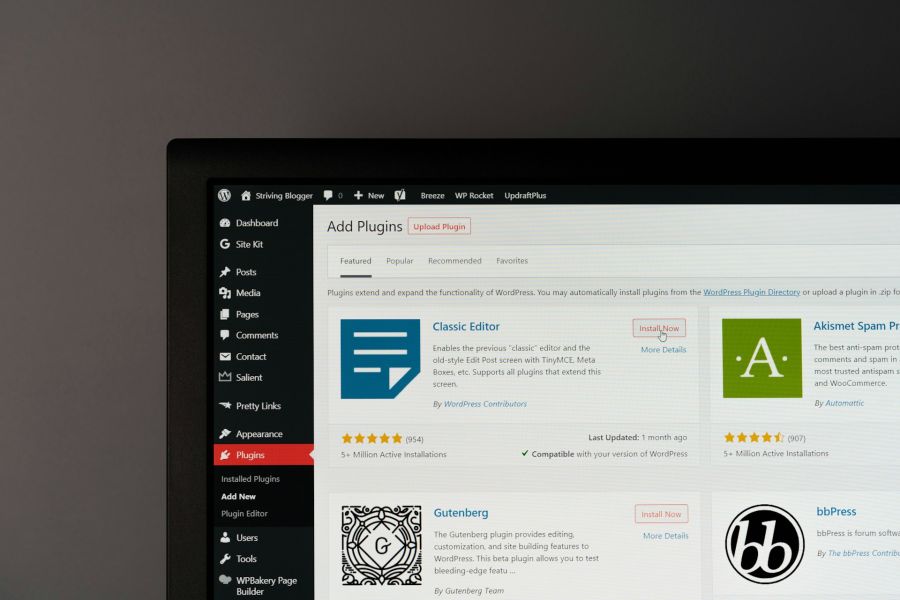
- Servers tuned specifically for WordPress or Shopify
- Caching so pages do not rebuild from scratch on every visit
- A Content Delivery Network (CDN) to serve images and files closer to your visitors
Uptime and reliability matter just as much.
- 99.9% or better uptime targets
- Proactive monitoring, so someone is watching for issues
- Automatic backups and the ability to restore quickly if something breaks
Contractors also attract spam, bots, and random attacks. You need:
- SSL so every page and form is encrypted
- Firewalls to block bad traffic before it reaches your site
- Malware scanning and clean-up tools
- Automatic security updates for your core platform
Then there is support. When you are on a roof, in a crawlspace, or running between jobs, you do not have time to debug website errors. Managed support means a team that understands contractor sites can jump in, fix problems, and tune performance without adding more to your plate.
How to Choose Busy-Season Ready Contractor Website Hosting
Start by thinking about your own busy season, not just what a random hosting plan says on paper. Ask yourself:
- When do calls and form fills spike for us?
- How many jobs do we book during our peak weeks?
- When we turn on or increase Google Ads, what happens to traffic?
This gives a sense of how much traffic, bandwidth, and concurrent users your hosting should handle. A good provider can help translate that into real technical needs.
When you talk with hosting providers, ask questions like:
- Can this plan scale up quickly during peak months?
- Is performance guaranteed under load or just “best effort”?
- What happens to my site if I double my ad spend overnight?
- Who handles plugin updates, caching, and technical tuning?
Most contractors do not have time to learn server settings, caching rules, or how to roll back a bad plugin. That is why managed, done-for-you hosting is such a help. The provider handles:
- Updates and patches on a safe staging copy first
- Security, backups, and monitoring
- Performance tuning so your pages load fast on mobile
It is also smart to keep hosting, web design, SEO, and Google Ads with one team when you can. That way, if something is slow or a form is broken, you do not hear three different groups pointing fingers. Seasonal promos, landing pages, and tracking all work together instead of fighting each other.
WordPress vs Shopify Hosting for Service Contractors
Most service contractors do best with WordPress as the main site. It is a good fit when you need:
- Service area pages for different cities or neighborhoods
- Project galleries and before-and-after photos
- Quote and inspection request forms
- Blog posts to help with SEO and common questions
For that, you want hosting tuned for WordPress, with strong caching and security made for that platform.
Shopify makes sense if your business also sells:
- Maintenance plans or service packages online
- Filters, parts, or small tools
- Branded merch or add-on products
Shopify handles secure payments and product catalogs well, but it still needs fast hosting and smart setup so checkout does not bog down when traffic jumps.
Some trades use a mix, such as WordPress for the main site and Shopify for a small store section. In that case, it helps when your hosting and support team understand both platforms and how they connect.
Before busy season, both platforms need prep work like:
- Compressing and resizing images so pages stay light
- Cleaning up plugins or apps you no longer use
- Checking that checkout and forms stay fast on mobile under load
That kind of tune-up can mean the difference between a site that stalls and one that keeps bringing in steady leads while your crews stay booked.
Get Started With Your Project Today
If you are ready to offload the tech headaches and focus on growing your contracting business, our team at BK Design Solutions is here to help. Explore our reliable contractor website hosting options tailored specifically for contractors who need secure, fast, and hassle-free sites. We will walk you through everything from setup to ongoing support so you always know your online presence is in good hands. Have questions or need a custom recommendation for your business, reach out through our contact page and we will respond promptly.